Swelling in the Legs or Ankles
Natural Ayurvedic Solutions for Better Health
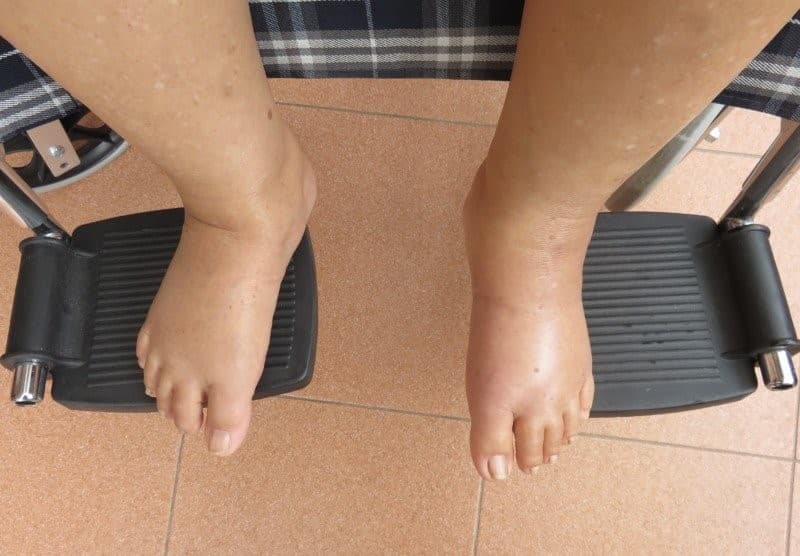
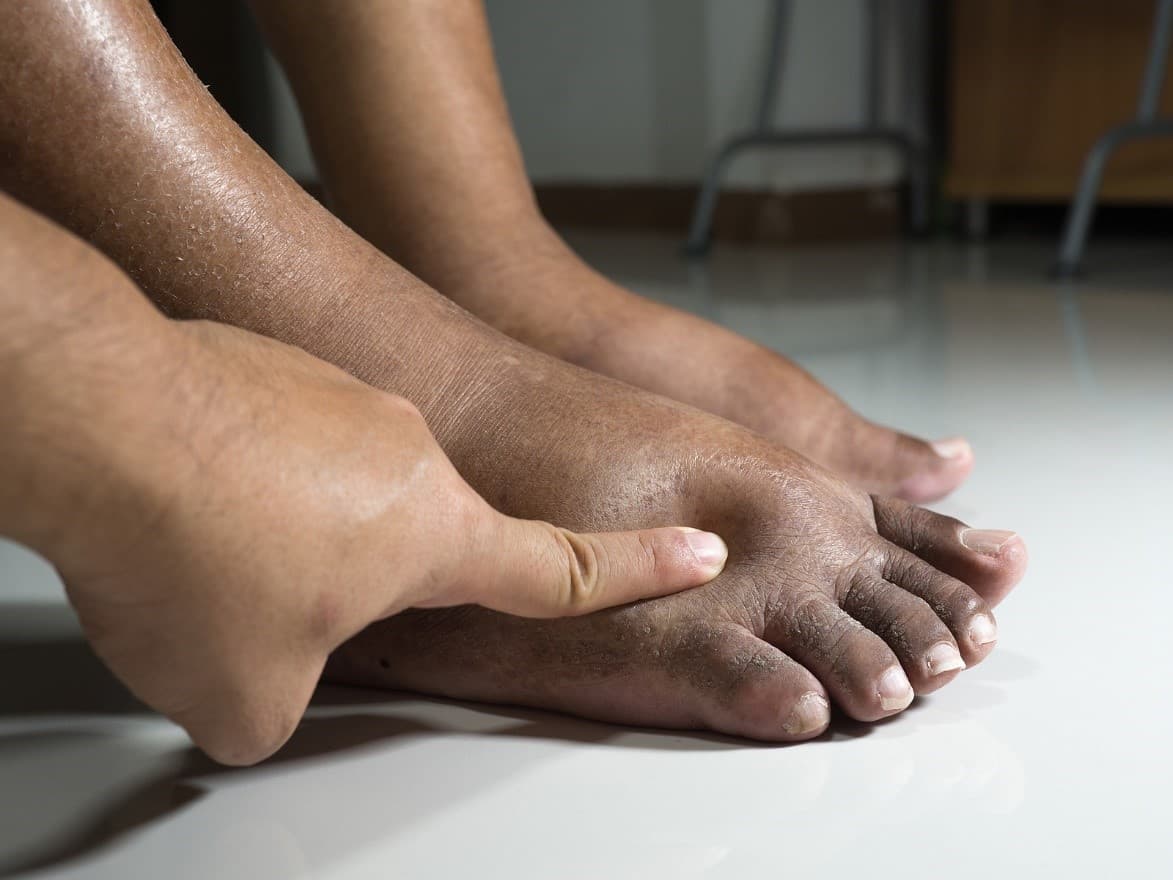
Understanding Swelling in the Legs or Ankles
Ancient wisdom for modern healing
In Ayurveda, swelling in the legs or ankles, often referred to as{" "} "Shotha" or "Shvayathu", is understood through the balance and imbalance of the body's doshas (Vata, Pitta, and Kapha) and the accumulation of ama (toxins). Here are the causes and perspectives from an Ayurvedic point of view:
Dosha Imbalances
- Vata Dosha: Characteristics: Dryness, coldness, and movement. Imbalance Effects: When Vata is imbalanced, it can cause poor circulation and fluid retention, leading to swelling. This is often seen in conditions where there is dryness or emaciation of tissues.
- Pitta Dosha: Characteristics: Heat, sharpness, and fluidity. Imbalance Effects: Excess Pitta can cause inflammation and heat, leading to swelling. This can be associated with infections, inflammatory conditions, or heat-related issues.
- Kapha Dosha: Characteristics: Heaviness, coldness, and stagnation. Imbalance Effects: An increase in Kapha can lead to accumulation of fluids and congestion, causing swelling. This is often seen in conditions where there is heaviness, lethargy, and fluid retention.
Specific Causes According to Ayurveda
-
Diet and Lifestyle Factors:
- Consuming foods that are heavy, oily, salty, or difficult to digest can increase Kapha and lead to fluid retention.
- Sedentary lifestyle, lack of exercise, and prolonged periods of inactivity can cause poor circulation and increase Kapha.
- Eating at irregular times, overeating, or consuming incompatible foods can lead to the formation of ama (toxins), which can block channels and cause swelling.
-
Environmental Factors:
- Exposure to cold and damp environments can aggravate Vata and Kapha, leading to swelling.
- Exposure to heat and toxins can aggravate Pitta, leading to inflammatory swelling.
-
Emotional Factors:
- Stress, anxiety, and unresolved emotional issues can disturb Vata, leading to poor circulation and fluid retention.
- Anger and frustration can aggravate Pitta, leading to inflammatory conditions.
Ayurvedic Management and Remedies
-
Dietary Changes:
- For Vata Imbalance: Include warm, moist, and grounding foods such as soups, stews, and spices like ginger and cinnamon. Avoid cold and dry foods.
- For Pitta Imbalance: Include cooling and soothing foods such as cucumbers, melons, and dairy products. Avoid spicy and oily foods.
- For Kapha Imbalance: Include light, warm, and dry foods such as grains, legumes, and spices like black pepper and turmeric. Avoid dairy, heavy, and oily foods.
-
Lifestyle Modifications:
- Regular exercise tailored to the individual's dosha, such as walking, yoga, and pranayama (breathing exercises).
- Adequate rest and maintaining a regular sleep schedule.
- Stress reduction through meditation, mindfulness, and relaxation techniques.
-
Panchakarma Therapies:
- Detoxification and rejuvenation therapies such as Virechana (purgation therapy), Basti (medicated enemas), and Abhyanga (oil massage) to balance the doshas and clear the channels.
-
Local Applications:
- Applying warm herbal poultices or oils like sesame oil (for Vata), coconut oil (for Pitta), and mustard oil (for Kapha) can help reduce swelling.
-
Hydration and Circulation:
- Ensuring proper hydration and promoting good circulation through massage and movement can help alleviate swelling.
Ayurvedic Consultation
It is important to consult with a qualified Ayurvedic practitioner to determine the specific causes and appropriate treatments based on one's constitution (Prakriti) and current state of health (Vikriti).
Ready to Experience Natural Healing?
Consult with our experienced Ayurvedic practitioners for personalized treatment plans tailored to your unique constitution and health needs.
100% Natural
Herbal Remedies
Personalized
Care Plans
Expert
Practitioners