Hypertension
Natural Ayurvedic Solutions for Better Health

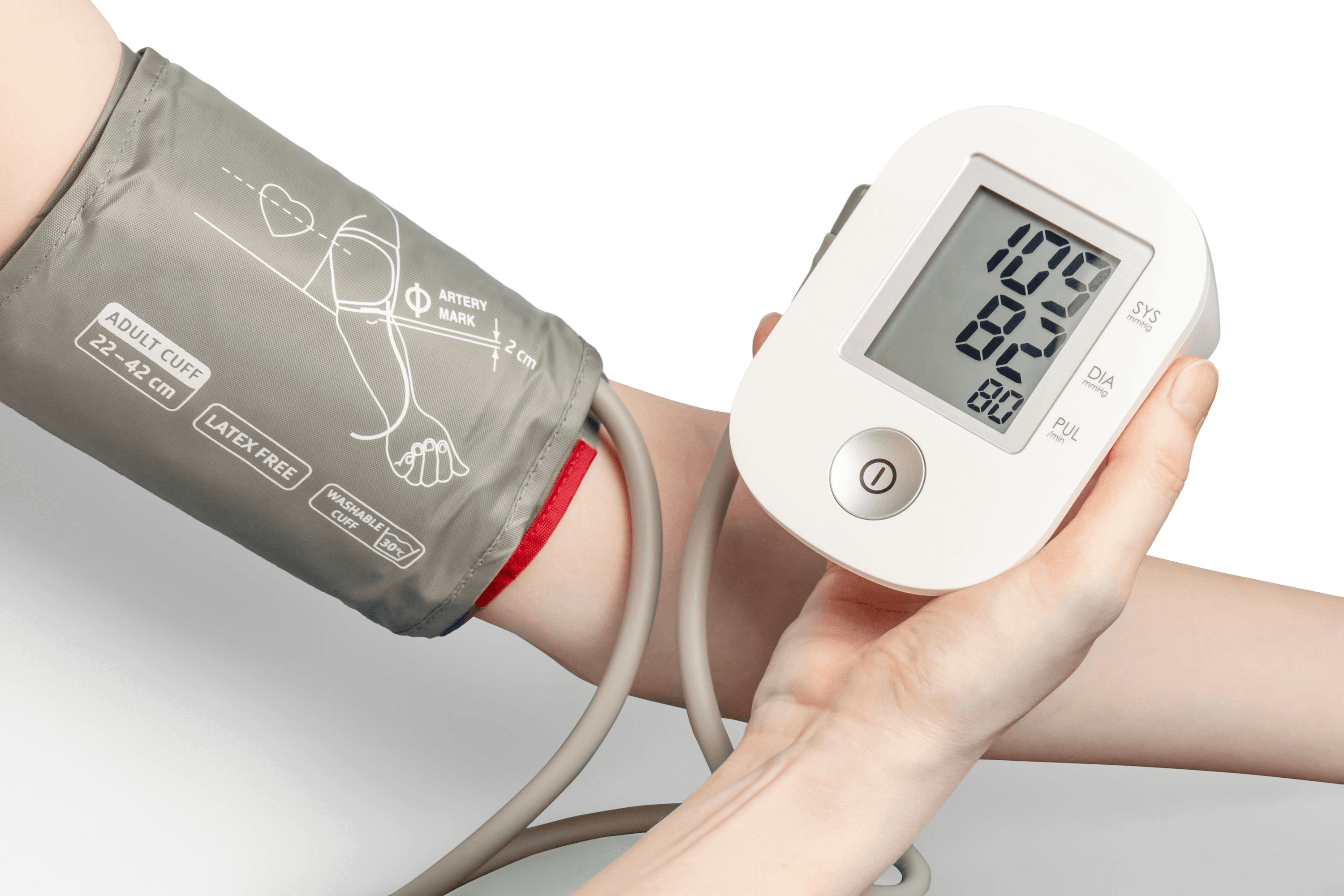
Understanding Hypertension
Ancient wisdom for modern healing
In Ayurveda, hypertension (high blood pressure) is understood as a condition resulting from imbalances in the body's doshas (Vata, Pitta, and Kapha), lifestyle factors, and the accumulation of toxins (Ama). Here's an overview of the causes of hypertension according to Ayurvedic principles:
Dosha Imbalances
-
Vata Dosha Imbalance:
- Stress and Anxiety: Vata is associated with movement and the nervous system. High levels of stress, anxiety, and mental strain can lead to a Vata imbalance, causing irregular blood flow and increased blood pressure.
- Erratic Lifestyle: Irregular eating and sleeping patterns, excessive travel, and a chaotic lifestyle can disturb Vata, contributing to hypertension.
-
Pitta Dosha Imbalance:
- Excess Heat and Anger: Pitta is associated with heat, metabolism, and emotions like anger and irritability. Excessive heat, both in the environment and within the body, along with emotional stress, can lead to a Pitta imbalance, causing inflammation and hypertension.
- Dietary Factors: Consuming spicy, salty, and oily foods can aggravate Pitta, leading to increased blood pressure.
-
Kapha Dosha Imbalance:
- Heavy and Oily Foods: Excessive intake of heavy, oily, and fatty foods can increase Kapha, leading to obesity and sluggish metabolism, which are risk factors for hypertension.
- Sedentary Lifestyle: Lack of physical activity and a sedentary lifestyle can aggravate Kapha, contributing to weight gain and high blood pressure.
Ama (Toxins) Accumulation
- Poor Digestion: Weak digestive fire (Agni) can lead to the formation of Ama (toxins), which can accumulate in the blood vessels, causing blockages and increased blood pressure.
- Unhealthy Diet and Lifestyle: Consuming processed and junk foods, along with irregular eating habits, can increase the production of Ama, contributing to hypertension.
Agni (Digestive Fire) Impairment
- Weak Digestive Fire: Impaired Agni leads to improper digestion and metabolism, resulting in the buildup of undigested food and toxins, which can affect the circulatory system and lead to hypertension.
- Erratic Eating Habits: Irregular meal timings and overeating can weaken Agni, impacting overall metabolic health and blood pressure.
Mental and Emotional Factors
- Chronic Stress: Long-term stress, anxiety, and emotional disturbances can disturb the balance of the doshas, particularly Vata and Pitta, leading to hypertension.
- Emotional Imbalance: Negative emotions like anger, frustration, and resentment can aggravate Pitta, contributing to high blood pressure.
Environmental Factors
- Extreme Weather Conditions: Exposure to extreme heat or cold can disturb the balance of the doshas, particularly Pitta and Vata, leading to hypertension.
- Pollution and Toxins: Environmental pollutants and toxins can contribute to the accumulation of Ama and imbalance of doshas, affecting blood pressure.
Ayurvedic Management
Ayurvedic treatment for hypertension involves balancing the doshas, improving digestive health, and detoxifying the body. Here are some general approaches:
Dietary Adjustments
- Vata Balancing Diet: Warm, cooked, and easy-to-digest foods; avoid cold, dry, and raw foods.
- Pitta Balancing Diet: Cooling, non-spicy foods; avoid hot, spicy, and acidic foods.
- Kapha Balancing Diet: Light, dry, and warm foods; avoid heavy, oily, and sweet foods.
Lifestyle Changes
- Regular Exercise: Incorporate moderate physical activity to balance Kapha and improve circulation.
- Stress Management: Practices like yoga, meditation, and pranayama to reduce stress and balance the doshas.
Detoxification
- Panchakarma: Ayurvedic detoxification therapies to cleanse the body of toxins and improve overall health.
- Herbal Teas and Decoctions: Use herbal preparations that support detoxification and improve cardiovascular health.
Specific Practices
- Abhyanga (Oil Massage): Regular oil massage with calming oils like sesame or coconut oil to balance Vata and improve circulation.
- Svedana (Sweating Therapy): Inducing sweating through steam baths or other means to eliminate toxins and improve metabolism.
Mental and Emotional Wellness
- Meditation: Regular meditation practice to calm the mind and reduce stress.
- Pranayama: Breathing exercises like Anulom Vilom (alternate nostril breathing) to balance the doshas and improve cardiovascular health.
Consulting with an Ayurvedic practitioner is essential for a personalized approach to managing hypertension, considering individual constitution and specific health conditions.
Ready to Experience Natural Healing?
Consult with our experienced Ayurvedic practitioners for personalized treatment plans tailored to your unique constitution and health needs.
100% Natural
Herbal Remedies
Personalized
Care Plans
Expert
Practitioners