Elbow Pain
Natural Ayurvedic Solutions for Better Health
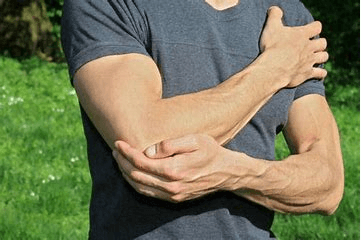
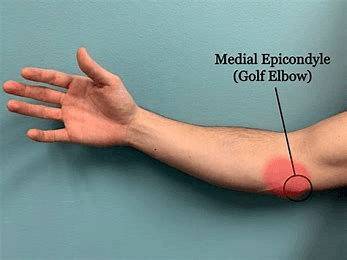
Understanding Elbow Pain
Ancient wisdom for modern healing
In Ayurveda, elbow pain is attributed to imbalances in the body's doshas and other underlying factors. Here are the primary causes of elbow pain from an Ayurvedic perspective:
1. Vata Dosha Imbalance
- Dryness and Roughness: Vata dosha, which governs movement and dry qualities in the body, can lead to dryness and roughness in the joints, causing pain and stiffness in the elbow.
- Cold and Light Qualities: The cold and light qualities of Vata can make the elbow joint more susceptible to pain and discomfort, especially in colder weather or due to exposure to cold environments.
2. Ama (Toxin) Accumulation
- Poor Digestion: Incomplete digestion and metabolism lead to the formation of ama, which is a sticky, toxic substance. Ama can accumulate in the joints, including the elbow, causing inflammation and pain.
- Impaired Agni (Digestive Fire): Weak digestive fire can contribute to the production of ama, exacerbating joint pain.
3. Physical Trauma and Overuse
- Injury: Trauma or injury to the elbow joint from accidents, falls, or impacts can cause immediate or long-term pain.
- Repetitive Movements: Activities that involve repetitive use of the elbow, such as certain sports or occupations, can lead to overuse injuries and pain.
4. Poor Diet and Lifestyle
- Vata-Aggravating Foods: Consumption of foods that increase Vata dosha, such as dry, cold, raw, or rough foods, can contribute to elbow pain.
- Lack of Routine: Irregular routines, including erratic eating and sleeping habits, can disturb Vata balance, leading to joint issues.
5. Stress and Mental Factors
- Anxiety and Stress: High levels of stress and anxiety can aggravate Vata dosha, indirectly contributing to joint pain and discomfort.
6. Improper Posture and Ergonomics
- Incorrect Posture: Poor posture while working, sitting, or sleeping can put strain on the elbow joint, leading to pain.
- Ergonomic Factors: Inadequate ergonomic support in the workplace or during physical activities can cause or worsen elbow pain.
7. Natural Aging Process
- Degeneration: As the body ages, the natural degeneration of tissues and joints can lead to increased Vata, contributing to joint pain, including in the elbow.
8. Secondary to Other Conditions
- Systemic Diseases: Conditions such as arthritis (e.g., osteoarthritis, rheumatoid arthritis) and gout can cause elbow pain as part of their symptomatology.
- Infections and Inflammatory Conditions: Infections or systemic inflammatory conditions can lead to elbow joint pain and swelling.
Preventive and Mitigating Measures
- Balanced Diet: Follow a Vata-pacifying diet with warm, moist, and nourishing foods.
- Hydration: Ensure proper hydration to maintain joint lubrication.
- Regular Exercise: Engage in gentle exercises and stretches to keep the joints flexible and strong.
- Stress Management: Incorporate relaxation techniques such as meditation, yoga, and deep breathing to manage stress and balance Vata.
- Proper Posture: Maintain good posture and use ergonomic supports to reduce strain on the elbow joint.
- Herbal Support: Use Ayurvedic herbs and supplements under the guidance of a practitioner to support joint health and reduce pain.
Consulting an Ayurvedic practitioner is advisable for personalized assessment and treatment, taking into account individual constitution (Prakriti), current dosha imbalances (Vikriti), and specific symptoms.
Symptoms
- Sharp or dull pain in the elbow
- Stiffness and restricted movement
- Swelling and inflammation
- Weakness in the arm
Ayurvedic Management
-
Dietary Changes:
- Vata-Pacifying Foods: Include warm, cooked, oily, and easy-to-digest foods such as soups, stews, cooked grains, and root vegetables.
- Hydration: Drink warm water and herbal teas to keep the body hydrated and support digestion.
-
External Treatments:
- Abhyanga (Oil Massage): Regular massage with warm medicated oils like sesame oil, Mahanarayan oil, or Bala oil can help reduce Vata and relieve pain.
- Snehana (Oleation Therapy): Application of warm oils to the affected area to nourish and lubricate the joint.
- Svedana (Steam Therapy): Fomentation with steam or warm compresses can help reduce stiffness and pain.
-
Lifestyle Modifications:
- Regular Exercise: Gentle exercises like yoga and stretching to maintain joint flexibility and strength.
- Adequate Rest: Ensure proper rest to avoid overuse of the elbow joint.
- Stress Management: Practice relaxation techniques such as meditation and deep breathing to keep Vata balanced.
-
Panchakarma Therapies:
- Basti (Enema Therapy): Helps in removing Vata-related toxins from the body.
- Virechana (Purgation Therapy): Used to cleanse the body of excess Pitta and toxins.
Specific Ayurvedic Treatments for Elbow Pain
- Lepam (Herbal Paste): Application of herbal pastes on the affected area.
- Pinda Sweda: A type of fomentation therapy where a bolus filled with medicinal herbs is used to massage the affected area.
General Tips
- Avoid cold and raw foods, which can aggravate Vata.
- Keep the elbow warm and protected from cold drafts.
- Incorporate practices that promote overall joint health and reduce Vata imbalance.
Consulting with an Ayurvedic practitioner is recommended to get a personalized treatment plan tailored to your specific condition and constitution.
Ready to Experience Natural Healing?
Consult with our experienced Ayurvedic practitioners for personalized treatment plans tailored to your unique constitution and health needs.
100% Natural
Herbal Remedies
Personalized
Care Plans
Expert
Practitioners