Bowel Diseases
Natural Ayurvedic Solutions for Better Health
Understanding Bowel Diseases
Ancient wisdom for modern healing
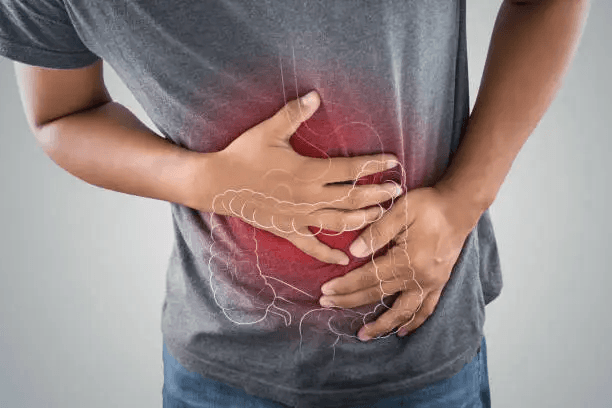
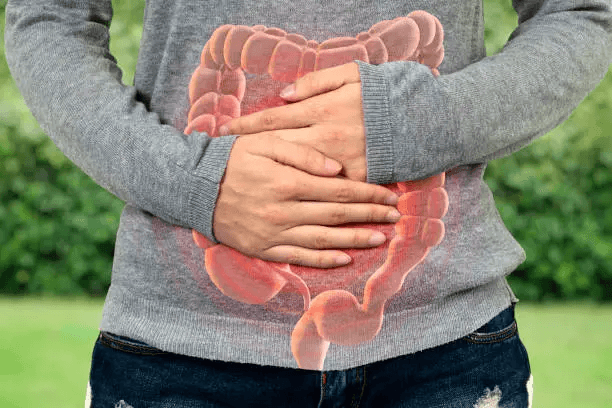
In Ayurveda, bowel diseases encompass a range of conditions affecting the gastrointestinal tract, including inflammatory bowel diseases (IBD) like ulcerative colitis and Crohn's disease, as well as conditions like irritable bowel syndrome (IBS). These diseases are believed to stem from imbalances in the doshas (Vata, Pitta, and Kapha), impaired digestive fire (Agni), and the accumulation of toxins (Ama).
1. Agni (Digestive Fire) Imbalance
- Weak Digestive Fire: Impaired Agni leads to incomplete digestion and the formation of Ama, which can accumulate in the gastrointestinal tract, leading to inflammation and bowel disorders.
- Irregular Eating Habits: Erratic meal timings, skipping meals, or overeating can disturb Agni, affecting digestion and contributing to bowel issues.
2. Vata Dosha Imbalance
- Dryness and Irregularity: Vata imbalance can lead to dryness and irregularity in bowel movements, causing constipation or alternating constipation and diarrhea (as seen in IBS).
- Stress and Anxiety: Vata imbalance is often associated with stress and anxiety, which can affect gut motility and exacerbate bowel disorders.
3. Pitta Dosha Imbalance
- Inflammation and Irritation: Excessive Pitta can lead to inflammation and irritation in the gastrointestinal tract, contributing to conditions like ulcerative colitis and gastritis.
- Spicy and Irritating Foods: Pitta-aggravating foods like spicy, acidic, and fried foods can exacerbate inflammation and aggravate bowel diseases.
4. Kapha Dosha Imbalance
- Congestion and Sluggishness: Kapha imbalance can lead to congestion and sluggishness in the digestive system, contributing to conditions like mucous colitis and slow transit constipation.
- Heavy and Oily Foods: Consumption of heavy, oily, and rich foods aggravates Kapha, leading to sluggish digestion and increased risk of bowel disorders.
5. Ama (Toxins) Accumulation
- Poor Digestion: Weak Agni and poor digestive health lead to the accumulation of undigested food particles and toxins (Ama) in the gastrointestinal tract, causing inflammation and disrupting bowel function.
- Unhealthy Diet and Lifestyle: Consuming processed, junk foods, and leading a sedentary lifestyle contribute to Ama accumulation and increase the risk of bowel diseases.
6. Mental and Emotional Factors
- Stress and Emotional Disturbances: Chronic stress, anxiety, and emotional disturbances disrupt the balance of the doshas and affect gut function, exacerbating bowel disorders.
- Psychological Factors: Conditions like depression and trauma can influence gut-brain axis function, contributing to IBS.
7. Environmental Factors
- Dietary Factors: Allergenic foods, intolerances, and sensitivities can trigger inflammation and exacerbate bowel diseases.
- Pollution and Toxins: Environmental pollutants and toxins can disrupt gut microbiota balance and contribute to gastrointestinal inflammation.
Ayurvedic Management of Bowel Diseases
-
Balancing the Doshas:
- Adopting a diet and lifestyle that balance the doshas involved in the specific bowel disorder.
- Using specific herbs and spices to pacify aggravated doshas and support gut health.
-
Improving Digestion (Agni):
- Consuming easily digestible foods and following proper meal timings.
- Incorporating herbs and spices like ginger, cumin, and fennel to strengthen digestion.
-
Detoxification (Ama Pachana):
- Following detoxification therapies like Panchakarma to eliminate Ama from the body.
- Using detoxifying herbs and formulations to cleanse the digestive system and reduce inflammation.
-
Dietary and Lifestyle Changes:
- Emphasizing whole, unprocessed foods and minimizing foods that aggravate the specific bowel disorder.
- Engaging in regular physical activity and stress-reducing practices like yoga and meditation.
-
Herbal Remedies:
- Using individualized herbal formulations to support gut health and manage symptoms.
-
Individualized Approach:
- Consulting with an Ayurvedic practitioner for personalized recommendations based on constitution and imbalances.
By addressing the root causes of bowel diseases through Ayurvedic principles, individuals can manage symptoms effectively and support long-term gut health and well-being.
Ready to Experience Natural Healing?
Consult with our experienced Ayurvedic practitioners for personalized treatment plans tailored to your unique constitution and health needs.
100% Natural
Herbal Remedies
Personalized
Care Plans
Expert
Practitioners