Back Pain
Natural Ayurvedic Solutions for Better Health
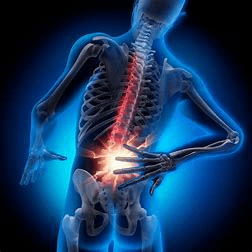

Understanding Back Pain
Ancient wisdom for modern healing
In Ayurveda, back pain can be related to various underlying imbalances or conditions, including those affecting the musculoskeletal system, nervous system, and overall energy balance of the body. Here are some common conditions that may be associated with back pain in Ayurveda:
1. Vata Imbalance
According to Ayurveda, back pain often arises due to an excess of Vata dosha, which governs movement and the nervous system. When Vata is aggravated, it can lead to symptoms such as stiffness, dryness, and pain in the back.
2. Sandhivata (Osteoarthritis)
Sandhivata is an Ayurvedic term for osteoarthritis, a degenerative joint disease characterized by the breakdown of cartilage and bones in the joints. Osteoarthritis commonly affects weight-bearing joints like the knees, hips, and spine, leading to pain, stiffness, and limited mobility in the back.
3. Kati Shoola (Low Back Pain)
Kati Shoola refers to low back pain in Ayurveda, which can be caused by various factors such as muscle strain, disc herniation, spinal stenosis, or degenerative changes in the spine. Poor posture, sedentary lifestyle, may be kidney disease and excessive physical exertion can contribute to Kati Shoola.
4. Grudhrasi (Sciatica)
Sciatica is a condition characterized by pain that radiates along the sciatic nerve, which runs from the lower back down the back of each leg. In Ayurveda, sciatica is known as Grudhrasi and is often attributed to Vata aggravation and compression of the nerve roots in the lumbar spine.
5. Ama Vata (Toxic Vata)
Ama Vata refers to the accumulation of toxins (ama) and Vata imbalance in the body, leading to symptoms such as joint pain, stiffness, and inflammation, including back pain. Poor digestion, improper diet, and lifestyle factors contribute to the accumulation of ama in the body.
6. Pichu (Disc Degeneration)
Pichu is an Ayurvedic term for disc degeneration, which occurs when the intervertebral discs in the spine deteriorate over time due to aging, injury, or wear and tear. Disc degeneration can lead to conditions like disc bulge, herniation, or spinal instability, resulting in back pain and discomfort.
Ayurvedic treatment for back pain focuses on restoring balance to the doshas, strengthening the musculoskeletal system, reducing inflammation, and promoting overall health and well-being. Treatment modalities may include herbal remedies, Ayurvedic oils and massage therapies, dietary and lifestyle modifications, yoga, and specific Ayurvedic therapies like Panchakarma. It's important to consult with a qualified Ayurvedic practitioner for personalized diagnosis and treatment based on your individual constitution (dosha) and the underlying cause of your back pain.
Ready to Experience Natural Healing?
Consult with our experienced Ayurvedic practitioners for personalized treatment plans tailored to your unique constitution and health needs.
100% Natural
Herbal Remedies
Personalized
Care Plans
Expert
Practitioners